
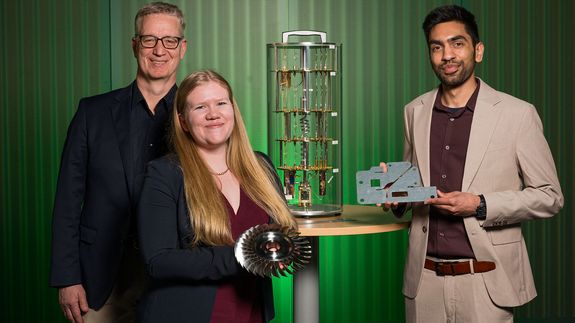
DFKI auf HM24: Schwerpunkt ist umweltschonende Industrie-KI
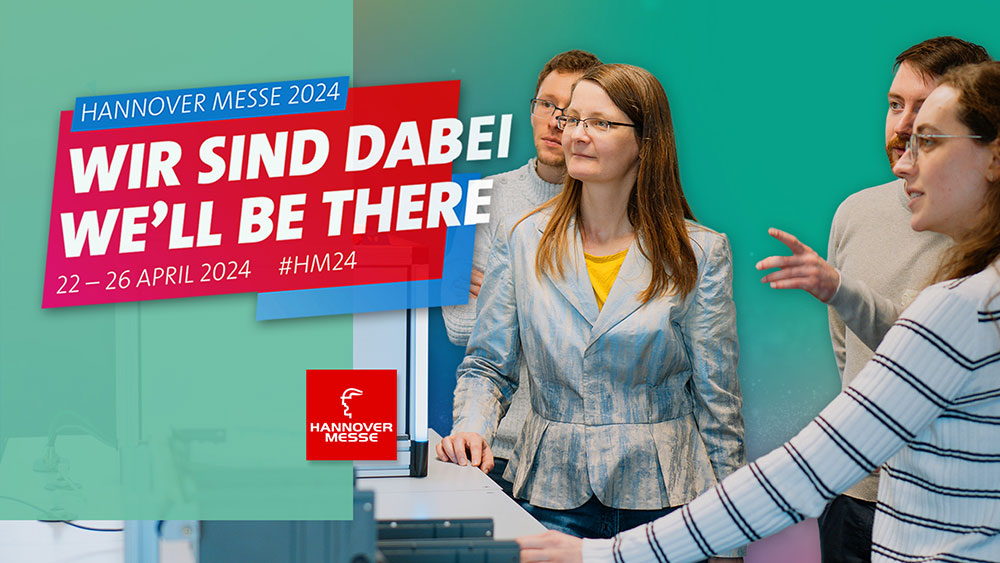
Das Deutsche Forschungszentrum für Künstliche Intelligenz (DFKI) präsentiert vom 22. bis 26. April 2024 auf der Hannover Messe an mehreren Ständen…
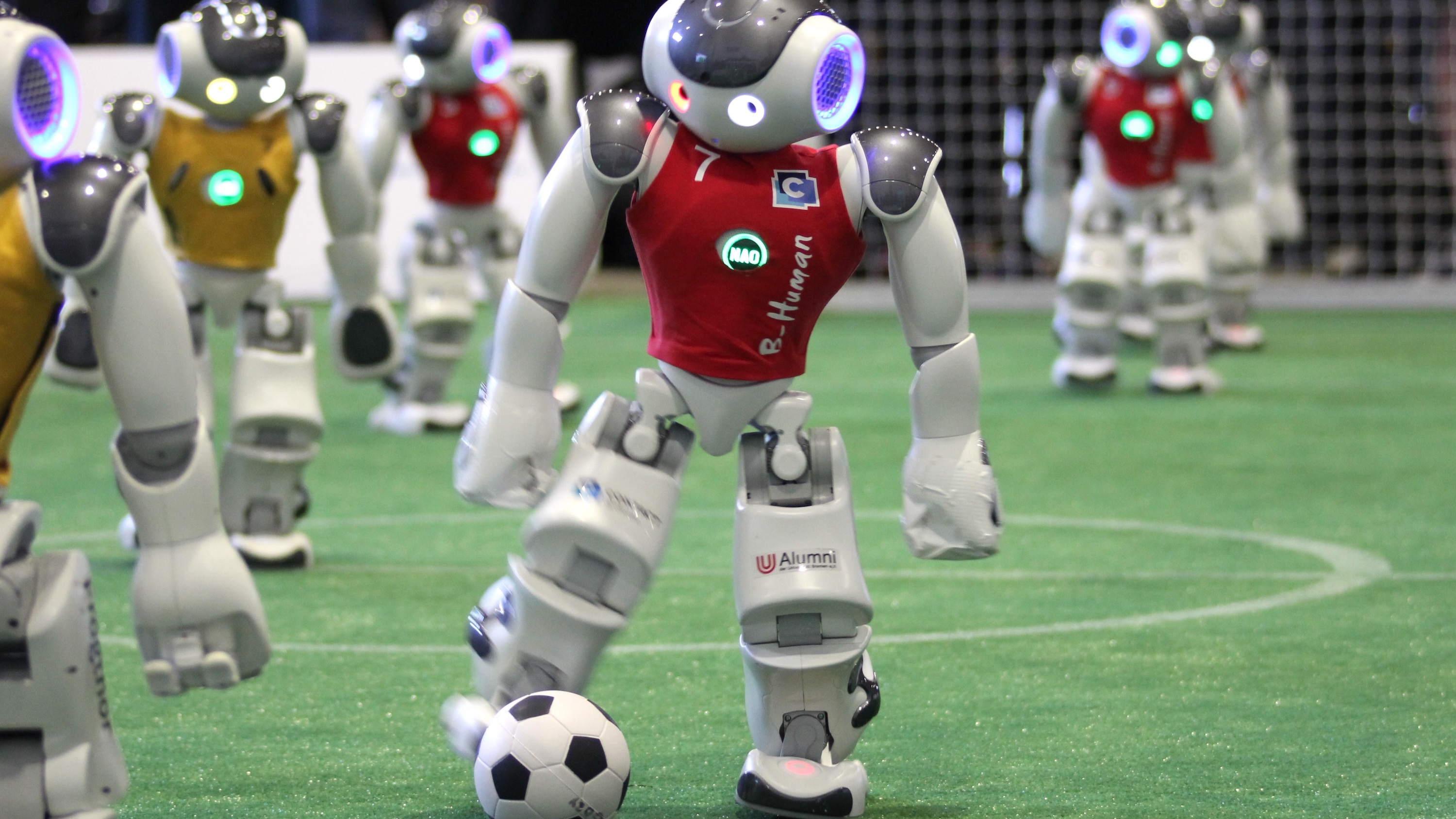
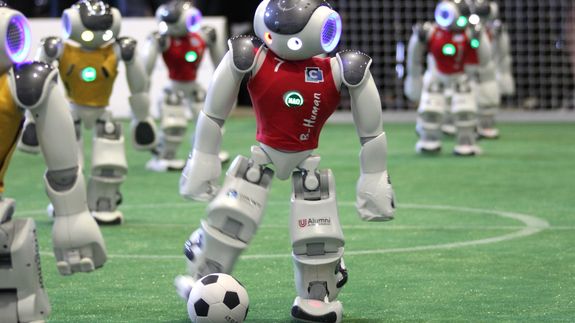
B-Human gewinnt RoboCup German Open
Mit einem beeindruckenden Torverhältnis von 46:2 hat das Bremer Roboterfußballteam die RoboCup German Open 2024 in Kassel gewonnen. In einem…
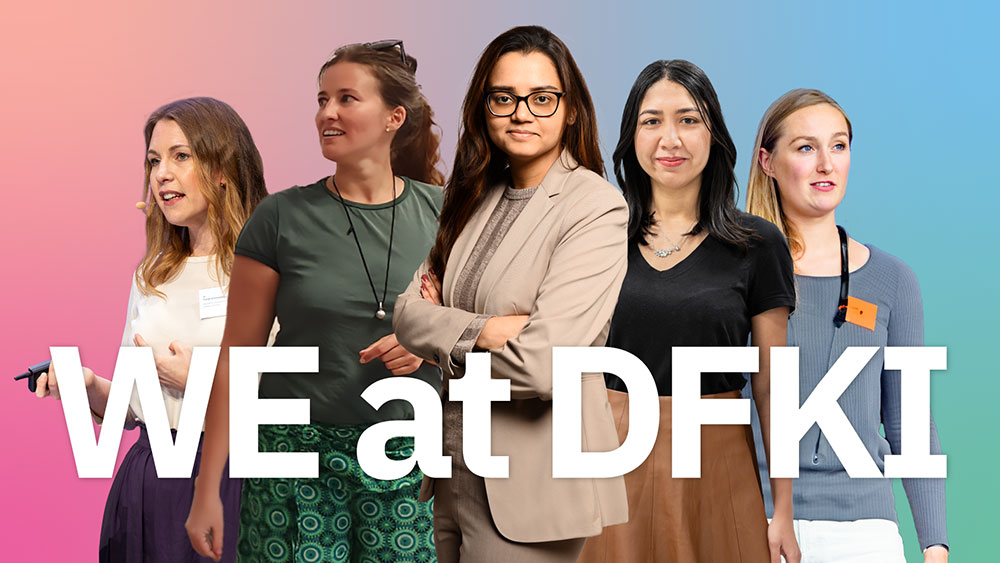
DFKI feiert Internationalen Frauentag 2024
Zum Weltfrauentag am 8. März 2024 stellt das DFKI in der Serie #WEatDFKI einige seiner herausragenden Wissenschaftlerinnen vor. Fünf Frauen geben…
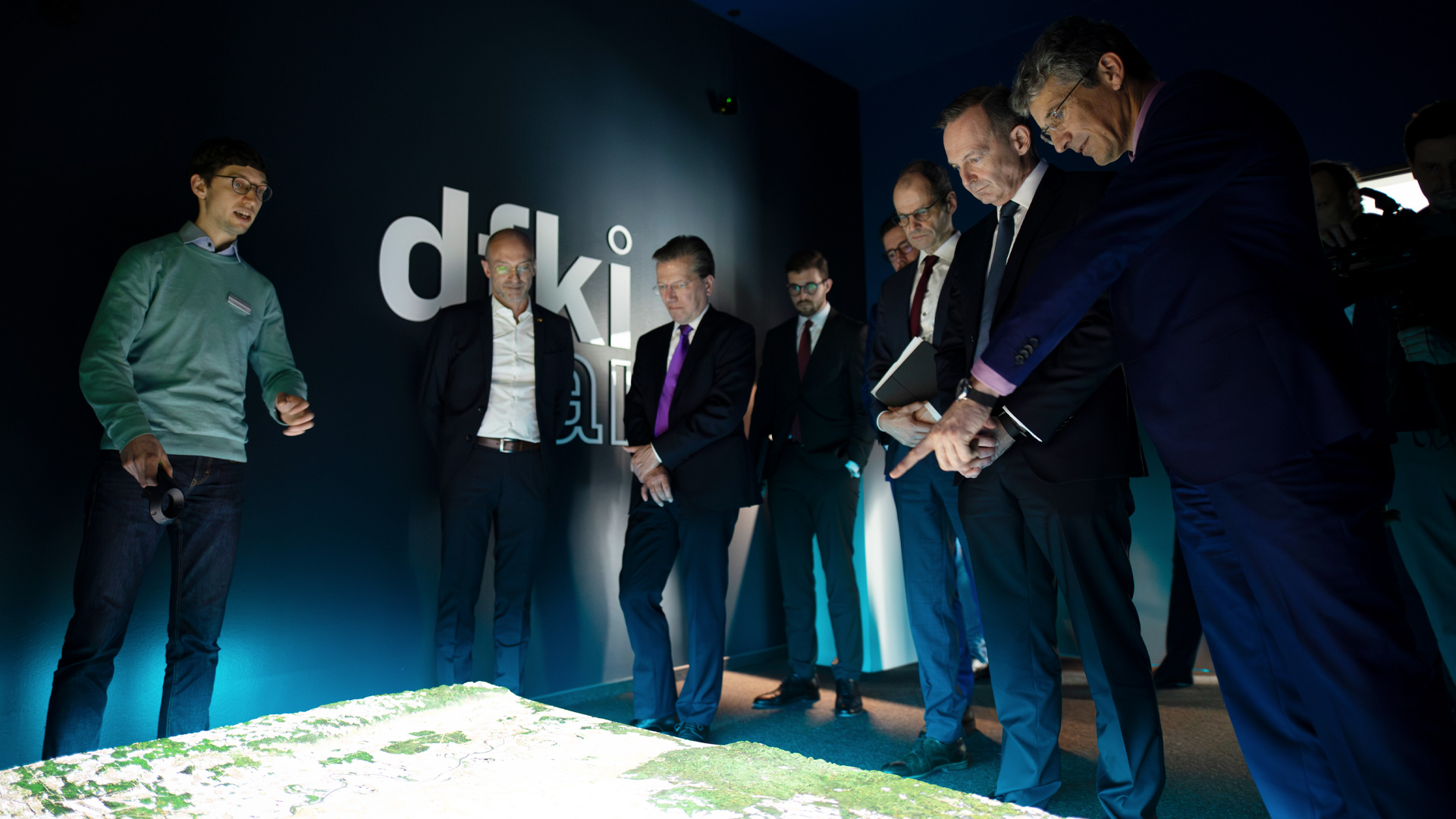
Bundesminister Volker Wissing zu Besuch im DFKI
Der wirksame Transfer von Forschungsergebnissen in die Praxis stand im Fokus des Besuches von Volker Wissing, Bundesminister für Digitales und…
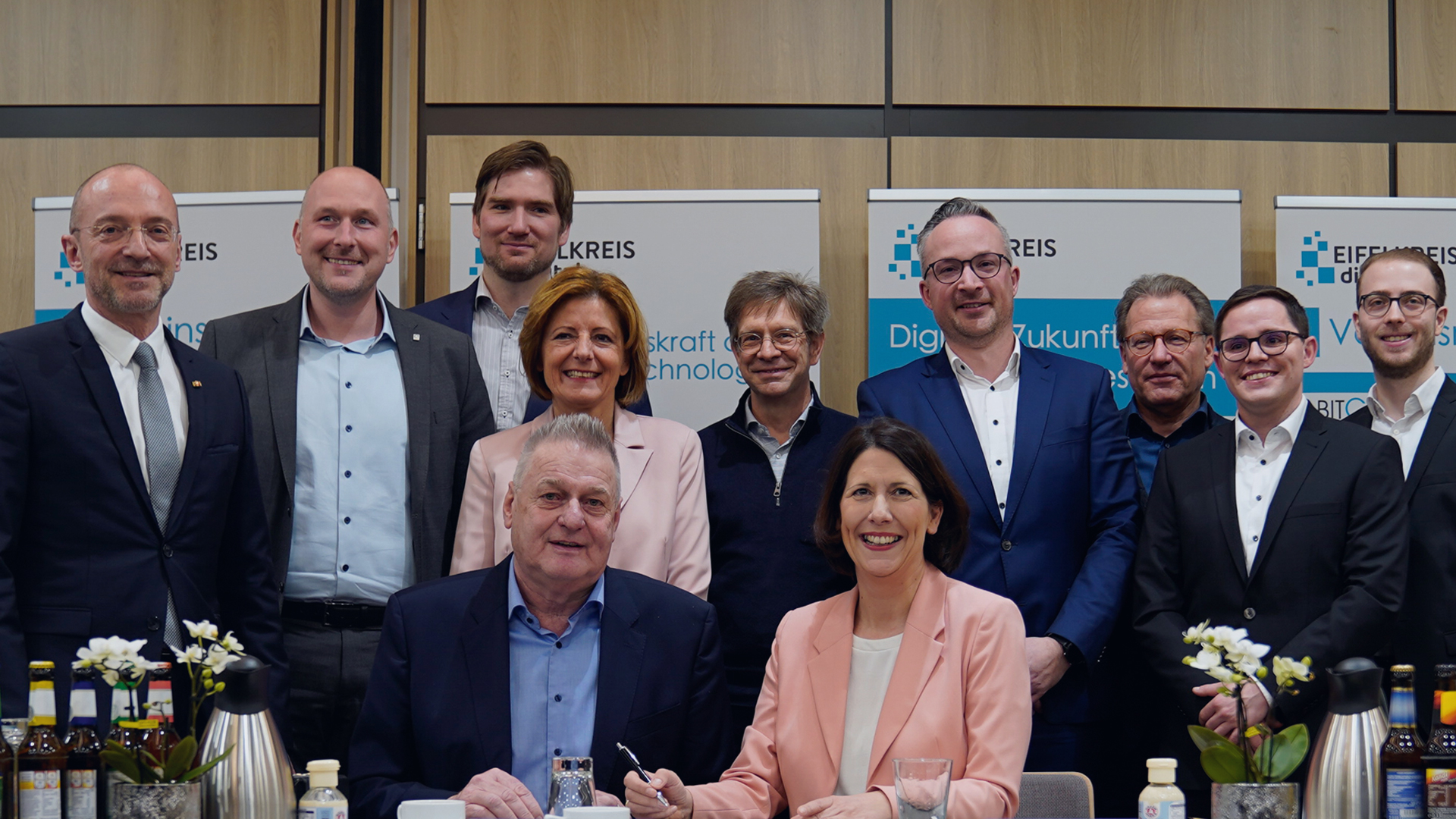
Smart Region – Neues Transferlab in der Eifel
Hochwasservorhersage, Energiemanagement, Mobilität – Um die Einsatzmöglichkeiten von Künstlicher Intelligenz für intelligente…
Podcast "KI - und jetzt?" von rbb und DFKI
Ab dem 27.10. gibt es jeden Freitag eine neue Folge KI – und jetzt? Wie wir Künstliche Intelligenz leben wollen.






Unsere Forschungsbereiche und Standorte
Forschungsbereiche und Leitung:
- Agenten und Simulierte Realität
Prof. Dr.-Ing. Philipp Slusallek - Cyber-Physical Systems
Prof. Dr. Rolf Drechsler - Data Science und Ihre Anwendungen
Prof. Dr. Sebastian Vollmer - Design Research eXplorations
Prof. Dr. Gesche Joost - Educational Technology Lab
Prof. Dr. Niels Pinkwart - Eingebettete Intelligenz
Prof. Dr. Paul Lukowicz - Erweiterte Realität
Prof. Dr. Didier Stricker - Grundlagen der Systemischen KI
Prof. Dr. Kristian Kersting - Innovative Fabriksysteme
Prof. Dr.-Ing. Martin Ruskowski - Institut für Wirtschaftsinformatik
Prof. Dr. Peter Loos - Intelligente Analytik für Massendaten
Prof. Dr. Volker Markl - Intelligente Netze
Prof. Dr.-Ing. Hans Dieter Schotten - Interaktives Maschinelles Lernen
Prof. Dr.-Ing. Daniel Sonntag - KI in der medizinischen Bild- und Signalverarbeitung
Prof. Dr. Heinz Handels - Kognitive Assistenzsysteme
Prof. Dr. Antonio Krüger - Marine Perception
Dr. Frederic Theodor Stahl - Neuro-mechanistische Modellierung
Prof. Dr. Verena Wolf - Planbasierte Robotersteuerung
Prof. Dr. Joachim Hertzberg - Robotics Innovation Center
Prof. Dr. Dr. h.c. Frank Kirchner - Smart Enterprise Engineering
Prof. Dr. Oliver Thomas - Smart Service Engineering
Prof. Dr.-Ing. Wolfgang Maaß - Smarte Daten & Wissensdienste
Prof. Dr. Prof. h.c. Andreas Dengel - Speech and Language Technology
Prof. Dr.-Ing. Sebastian Möller - Sprachtechnologie und Multilingualität
Prof. Dr. Josef van Genabith - Systemische KI für Entscheidungsunterstützung
Prof. Dr. Carsten Binnig - Systemische KI für Lernende Roboter
Prof. Dr. Jan Peters
Unsere Standorte:
Karriere
Zu unseren Stellenangeboten
Gemeinsam Zukunft gestalten – jetzt Karriere als Forscher:in am DFKI starten!
